Track Lights
 Linear Lights
 Track System
 Decorative Lights
 Recessed Light
 Pendant lights
 Surface mounted lights
 Panel lights
 Street Lighting
 Magnetic Lighting System 48V
 Magnetic Lighting System 48V
 Invertors
 Lighting control
How to create the right mood
Neutral white light is the light of natural daylight. Under it people work most efficiently. Other shades have been observed to affect productivity: under yellow light work efficiency is 7% lower, under green 8% lower, under blue 22% lower, and under red and orange 24% lower.
Daylight (4000 to 5000 K) is ideal for reading and for work that needs attention and concentration, and it gives the highest colour contrast when doing make-up.
Neutral daylight with a colour temperature of about 4000 K is also used as general lighting on shop floors. It creates an energetic atmosphere in the room and an active mood in shoppers. In hypermarkets the light is cooler still, about 4500 K. This lighting helps people take in a large number of products over a long time.
Cool white light creates an energetic, lively mood even more than neutral light does. Light sources of 5000 to 6500 K create such an active setting that people move and make decisions faster. This quality of bright light is used to light checkout areas in hypermarkets.
Compared with warm and neutral white, cool white light has the highest contrast. This helps light dark objects, but it distorts the colour of products quite noticeably.
Getting the most out of product lighting
Natural neutral light suits vegetables, fruit and flowers. They are best shown in sunlight-like light, which conveys their freshness and appeal.
Cool white light is excellent for presenting kitchens and bathrooms: furniture, sanitary ware and accessories. It emphasises the spotless white and cleanness of household appliances and sanitary ware: fridges, washing machines, cookers, sinks and toilets. Warmer light can spoil everything here: the appliances will look yellowish and not new. Nickel and steel will also look worse.
Cool white light also brings out crystal and tableware best, including nickel-plated pieces. White light is also used to light shelves of audio, video and computer equipment, emphasising their style and supporting the association with the future and new technology.
Bright bluish light can be used where you need a fresh atmosphere and associations with water and cold, for example to light fresh fish displays.
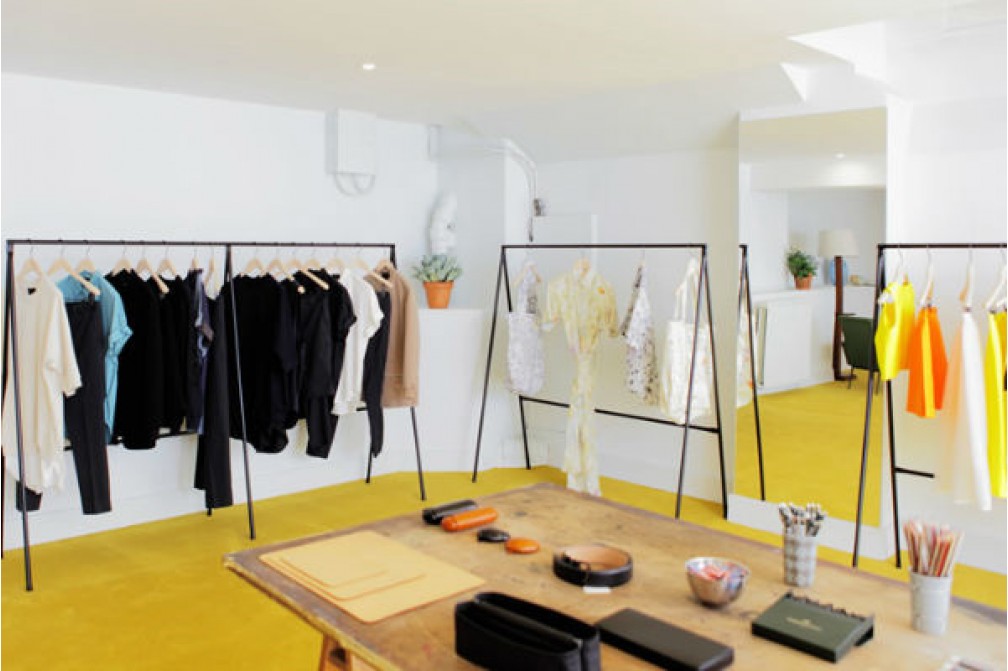
When planning lighting for clothing shops, remember that casual and sportswear are better lit with cool or neutral light. It is closer to natural daylight, so shoppers see the clothes better (unlike evening wear, which looks better in warm light).
Keep in mind that cool bluish light is not suitable for fitting rooms at all. In this light the shopper sees an unhealthy-looking face in the mirror, does not like what they see and loses interest in the clothes.
Jewellery lighting deserves special attention. Unlike gold, silver needs cool light of lower intensity, because its surfaces are highly reflective. Platinum and platinum-group metals (for example, rhodium plating) also look good under cool but soft light.
Lighting gemstones needs a special approach and knowledge. To bring out the value and beauty of a stone, you have to keep its colour, cut and polish in mind. A stone's colour differs in daylight and in evening light, so several light sources of different colour temperatures and colours may be used to present jewellery.
For example, bright sparkling light from several sources makes diamonds come alive.
Cosmetics and perfume shops should use luminaires with a colour rendering index above 90 and a colour temperature of 4000 to 6500 K. This conveys the colour palette as accurately as possible. Diffused, soft light is also recommended to avoid glare.
The Vision Lighting team is ready to help with any lighting project. Knowing the details of lighting and how colour temperature works, you can present products as effectively as possible, create the atmosphere and image you want, increase sales and even influence shopper behaviour.