Track Lights
 Linear Lights
 Track System
 Decorative Lights
 Recessed Light
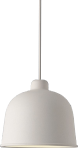
 Pendant lights
 Surface mounted lights
 Panel lights
 Street Lighting
 Magnetic Lighting System 48V
 Magnetic Lighting System 48V
 Invertors
 Lighting control


One of the key elements that makes a smart home genuinely smart is its lighting control system. It lets you create truly sophisticated scenes and fine-tune the light precisely to your needs. And this matters not only in homes, but also in offices and even shops. So let us take a closer look at how this kind of lighting control works.
What a lighting control system includes
- Power supplies. These convert mains voltage to the level required by specific components of the lighting system. For example, 48V light modules can only be connected to a standard 220 V socket through such a converter.
- Couplers. For example, the DALI OSRAM PRO PB Coupler. They are used to connect individual switches and integrate them into the overall lighting control system.
- Motion sensors. They switch the light on automatically when someone enters the room. They come in surface-mounted, recessed and more complex designs.
- Switches. Not simple on/off switches, but ones that can operate several luminaires at once and set different lighting scenes. They range from classic push-button switches to advanced touch-sensitive ones that respond to sound or a remote control signal.
- Control panels. Touch or push-button. Used to set up the entire lighting system from a single point.
- Dimmers. They let you adjust luminaire brightness with high precision. Available as touch, push-button, rotary, acoustic, remote and other types.
- Connectors, signal amplifiers, bus converters and other linking components. They ensure seamless connection between the individual parts of the lighting control system.
Now imagine that all these lighting control devices must not only be bought and wired correctly, but also positioned in the room so that they are convenient for users. Fortunately, the specialists at VisionLighting know exactly how to organise this.
What lighting control systems let you do
Can you do without all this complexity? You can. But with it, everything becomes more convenient. Automatic lighting control systems allow you to:
- Save energy by switching off luminaires where nobody is present and adjusting brightness according to pre-set scenes.
- Control all devices from a single central point.
- Operate various devices without contact, using sensors and a remote control.
- Identify exactly which component is not working as intended, thanks to feedback systems.
- Create complex lighting scenes depending on the time of day, occupancy and the level of daylight.
- Simulate presence by switching different light sources on and off at random. An option for private houses: it creates the impression that someone is at home and helps deter potential intruders.
- Enable remote control via computers or smartphones, because a smart home should be configurable from these devices.
Can you set up lighting control yourself? You can, but the more components you use and the more functions you try to implement, the harder it gets. It is much simpler, faster and more reliable to turn to a company that not only sells lighting control systems but also installs them according to a lighting plan developed specifically for you. That company is VisionLighting®. With us, you can be confident that everything is assembled to the highest standard and that every component will last as long as possible. So if you want your shop, office or any other space to appear in the best possible light to visitors, you know where to go.