Track Lights
 Linear Lights
 Track System
 Decorative Lights
 Recessed Light
 Pendant lights
 Surface mounted lights
 Panel lights
 Street Lighting
 Magnetic Lighting System 48V
 Magnetic Lighting System 48V
 Invertors
 Lighting control
Lighting for clothing and footwear shops
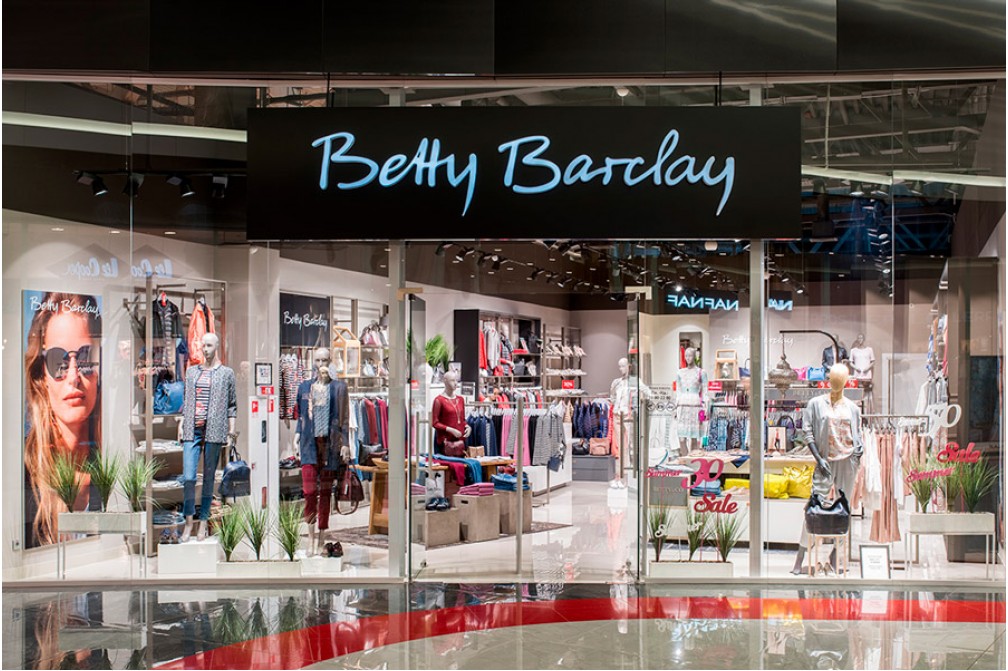
In clothing and footwear shops, light should ultimately lead to the moment when a person is pleased with their reflection in the mirror. Colour, fit, texture, silhouette and the quality of materials all matter. If the lighting is poorly chosen, clothes can look dull, shoes can look cheap, and the reflection in the fitting room mirror can look unflattering.
Lighting for a clothing shop should make the collection easy to look at, show fabric shades as they really are and give a sense of how a garment looks on a person. In a footwear shop other details matter: the shape of the last, the texture of the leather, the quality of the stitching, the shape of the sole, the fittings and the shine of the surface. So light should not be spread evenly across the whole floor but distributed by task: general light, accents, lighting for walls, shoe shelves, fitting rooms, the shop window and the checkout area.
Good light does more than make a shop bright. It helps products look natural and convincing: fabrics keep their colour, leather and suede keep their texture, and the reflection in the mirror is not distorted by harsh shadows or the wrong colour temperature.
What clothing and footwear need to show
People buy clothing and footwear with their eyes, but the final decision often depends on details. They look at the silhouette, the fit, the quality of the seams, the texture of the fabric, the shine of the leather, the shade of the sole and how pieces go together. If lighting distorts these, people do not like how they look, and the collection loses part of its value.
Clothing shops especially need accurate colour rendering, the right lighting on walls and products, soft light in fitting rooms and accents on mannequins. In a footwear shop the focus shifts to form, material, shelves, the lower display levels and controlling reflections on leather, patent surfaces and metal fittings.
When designing light for fashion retail, consider the following:
- accurate colour rendering of fabrics, leather, suede and accessories;
- accent lighting on featured products, mannequins and the main display;
- even lighting of walls with racks and shelves;
- separate light for shoe shelves and lower display levels;
- soft lighting in fitting rooms;
- no glare on mirrors, glass and glossy surfaces;
- a flexible lighting layout that adapts as fixtures and displays are moved.
Clothing shop lighting: sales floor, walls and mannequins
Lighting in clothing shops should not be uniform. When the whole floor is flooded with the same light, shoppers see many things at once and find it hard to tell what matters. Collections lose expressiveness, walls look monotonous and mannequins do not draw attention.
A better option is a combination of general and accent light. The first gives comfortable visibility and helps people find their way. The second picks out what is meant to be the centre of attention, such as new arrivals, mannequins, display tables and racks. This makes the space easier to read and navigate, and the eye moves in the intended direction.
In clothing shops it is important to light vertical surfaces, not just horizontal ones. Most of the range is on walls, rails, stands and mannequins. If light is aimed only downwards, the floor may be bright while the clothes on the wall look flat.
Racks of clothing are among the most important elements of the sales floor. When lighting them, avoid dark areas, harsh spots and shadows, as well as a big difference between the top and bottom levels. Shoppers should see all the products, while the key items in the range still get the emphasis.
Track spotlights, adjustable luminaires and other directional solutions work well for walls. They light products at the right angle without turning the wall into a monotonous bright surface. When the seasonal collection changes, the luminaires are easy to re-aim for the new layout of fixtures and displays.
Mannequins show a finished look: how pieces go together, the silhouette and the mood of the collection. If they are lit less than the background or stand in shadow, they no longer work as an accent in the sales floor composition. Mannequins are best lit with directional light that brings out the silhouette without making the clothes too contrasty. A single sharp beam from above gives unpleasant shadows, so it is better to use the main accent at an angle plus soft background light to keep volume and detail.
From practice: lighting in a women's clothing shop needs particular care in areas with mirrors, fitting rooms and capsule displays. Dresses, suits, outerwear, knitwear and accessories should look natural both on the floor and on the person. Avoid harsh overhead light, poor colour rendering and too cool a colour temperature, which can distort shades and make them unattractive.
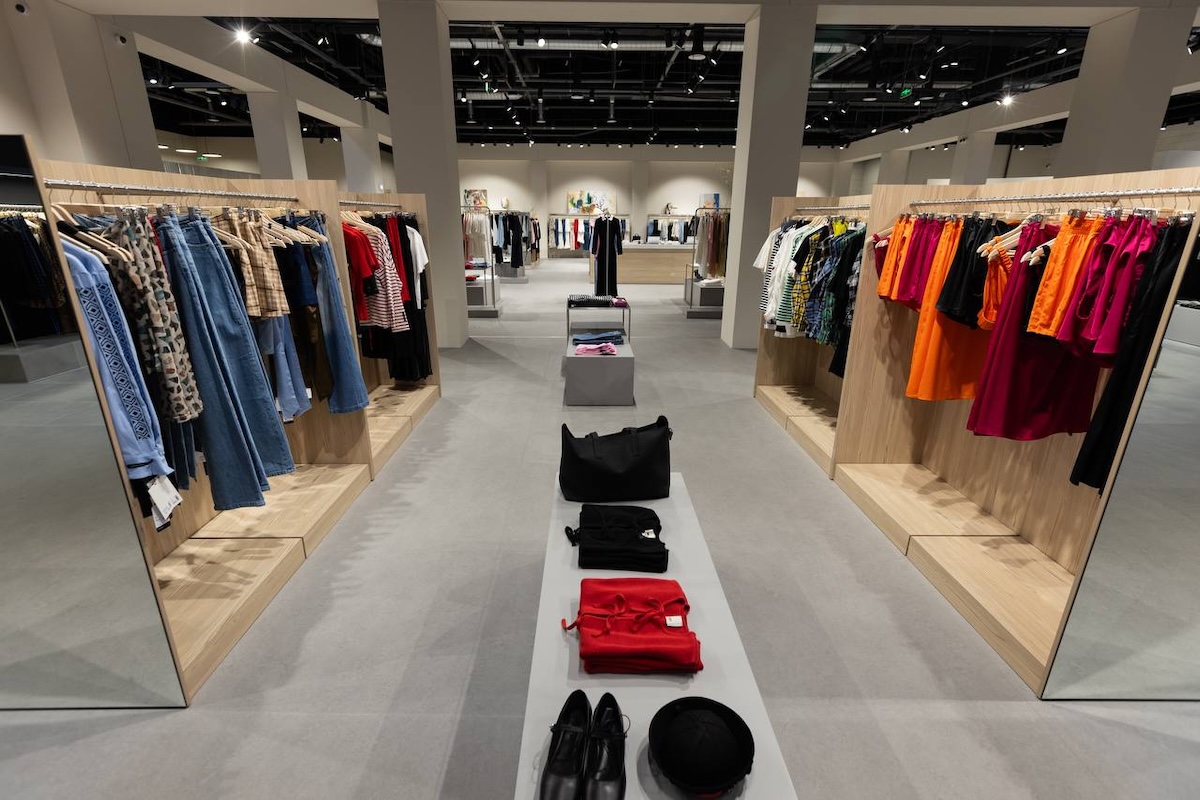
Display tables and accent areas
Display tables and central displays need a different approach. Light should help people see items from above and from the side without creating harsh shadows from shoppers' hands. For knitwear, accessories or shoes on tables, directional light that keeps volume and avoids overlighting works best.
Accent areas, such as a new collection, a seasonal offer, sale items or a capsule selection, also need their own light. But keep it in proportion: with too many accents the shop becomes visually noisy. The lighting hierarchy should be clear: main points of attention, secondary areas and a calm general background.
Lighting for a footwear shop
Lighting for a footwear shop should show form, material and detail well: the texture of leather or suede, stitching, fittings, the sole, the curve of the last and the shine of the surface. If shoe racks are lit only from above, the lower shelves stay in shadow and the models on them go unnoticed.
Shoe shelves need multi-level lighting: the top row must not be overlit and the bottom row must not be left dim. Linear LED lighting suits these fixtures, as it lets you see every product equally along the whole length of the display. Separate accent luminaires can be used to pick out key models, new collections or premium items.
Lighting quality in a footwear shop is especially sensitive to aiming. Glossy leather, patent details and metal fittings easily produce glare. A direct beam makes the surface unpleasantly shiny, while weak diffused light flattens the shape, so a balanced solution is needed for the model to look expressive without visual distractions.
Fitting rooms and mirrors
The fitting room is one of the most important areas in a clothing shop. This is where people see the garment on themselves and decide to buy if they like what they see. Even if the sales floor is well lit, poor light in the fitting room can spoil the impression of the product.
The main mistake in fitting room lighting is a single luminaire overhead. This guarantees a distorted reflection, with shadows on the body and face in all the wrong places. The shopper may feel the garment fits badly and the look does not work.
Fitting rooms are better served by soft front or side lighting by the mirror, combined with comfortable general light. The face, figure and clothes should be evenly visible, without shadows or overlighting. The colour temperature is usually close to neutral, so the person looks natural and fabric shades are not distorted.
Colour temperature, colour rendering and texture
In a clothing shop the colour temperature should suit the brand style, the interior and the product. Warm light makes the space softer and cosier and works well with natural materials, leather, knitwear, casual formats and a boutique atmosphere. Neutral light suits most shops where products need to look natural, without an added tint.
Colour temperature matters just as much in the footwear area: it affects how materials, fittings and individual parts of the model look. Cool light can be used in sports, high-tech or minimalist interiors, but take care not to make the space feel like an office.
Colour rendering is also extremely important. If light distorts shades, shoppers misjudge the colour of products and draw unfavourable conclusions about their quality. Black can look grey, white can look dirty, beige can look yellow and rich colours can look altered. For fashion retail, luminaires with high colour rendering are recommended, especially in fitting areas, by mirrors, in shop windows and wherever products are viewed up close.
Good light shows not only colour but also texture. Fabric should keep its volume, leather its depth, suede its softness and metal elements a neat shine. Brightness alone cannot achieve this: you need the right optics, the right direction of light and stable luminaire performance.
Luminaires for clothing and footwear shops
In clothing shops, footwear boutiques and mixed fashion spaces, one type of luminaire is not enough. The sales floor, racks with the collection, mannequins, shoe shelves, fitting rooms and the shop window all need different light, so the layout usually combines several solutions that complement each other.
Track luminaires provide accents: they are convenient for picking out mannequins, rails, display tables, shoe racks, seasonal offers and new collections. If the shop changes its display often, a track system gives the flexibility needed to re-aim the light easily.
Adjustable recessed luminaires suit clean ceiling designs where directional light is needed but the design does not include a track system or does not need one. Linear LED luminaires work well in aisles, on long walls, in niches and on shoe shelves. Pendant models suit the consultation and checkout area, and can also serve as a separate interior accent, as long as they do not block the view of the products.
Hidden lighting helps emphasise shelves, mirrors, niches and decorative elements, but it should complement the main and accent lighting, not replace it entirely.
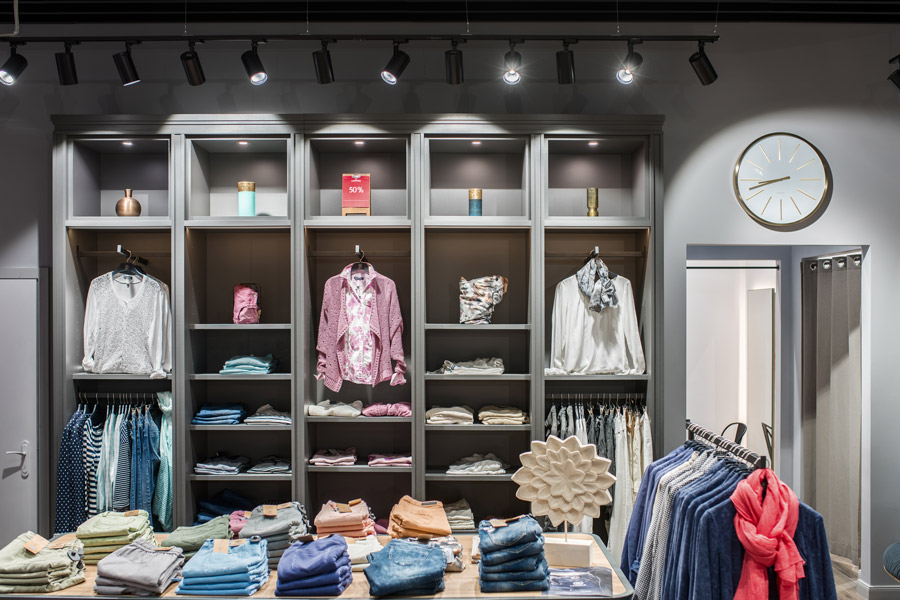
The shop window of a clothing and footwear shop
The window of a clothing and footwear shop should present a look that passers-by take in quickly: the silhouette, how pieces go together, the mood of the collection and the materials the brand works with. A staged presentation works, where mannequins, shoes, accessories, the background, decorative elements and light create one composition.
Windows usually use accent light that can be re-aimed, because window design changes at least every season. Track or adjustable luminaires let you redirect light without extra effort or rework.
At the same time, the window should not clash with the design of the sales floor. From outside it draws attention, and inside it should continue the overall atmosphere of the shop. If its style is different, the shopper feels a break and does not perceive the space as a whole.
What spoils lighting most often
The same light across the whole floor makes a shop bright but flat: there are no accents, attention is not guided, and shoppers do not know where to look first. The brand also loses the chance to lead shoppers to the decision it wants, encouraging sales of particular items.
Poor colour rendering is especially noticeable in clothing and footwear shops: colours look inaccurate, textures are lost and materials look cheaper. Saving money on luminaires this way leads to a negative perception of the products.
Poor light in fitting rooms reduces trust in the reflection. If the mirror is lit only from above, harsh shadows appear and shoppers see themselves looking unattractive. This reduces or completely kills the wish to buy even a well-chosen garment.
Another common problem is dark lower levels on racks. In footwear shops and mixed fashion spaces these shelves can be left without enough light, so shoppers have to bend down and peer at them, and the products look less attractive.
It is also important to plan for flexible lighting from the start. Collections change, windows are rebuilt and promotional areas move. If luminaires cannot be re-aimed, the layout soon stops matching the actual displays.
How to check the lighting before the shop opens
A well-lit clothing or footwear shop is easy to take in. Shoppers see the main areas, understand how products are arranged and can see their colour and texture without effort. The walls are not in shadow, mannequins look expressive, shoe shelves are lit level by level and fitting rooms do not distort the reflection. So before opening, take a few important steps:
- check how the shop entrance looks from outside and inside;
- see whether walls with clothing, rails, mannequins and display tables read well;
- check that the lower shelves in the footwear area do not get lost;
- check for harsh shadows in fitting rooms and by mirrors;
- see whether material shades are distorted;
- make sure luminaires do not dazzle or cause unnecessary glare;
- check that accent lighting can be re-aimed when needed.
Check the light not only against the plan but also from the shopper's point of view. Walk the whole route, from the entrance to the racks and fitting rooms, to experience it as a visitor rather than see a technical layout.
Summary
Lighting for a clothing shop should accurately convey the colour, fit and texture of fabrics. In a footwear shop it is just as important to show design details, materials and fittings. In both cases light should help shoppers see the product at its best.
Track luminaires, adjustable recessed models, linear LED luminaires, pendant solutions and hidden lighting all suit these shops. But the key is not to pick one universal luminaire but to distribute light correctly across functional areas: the sales floor, walls, mannequins, shoe shelves, the shop window, the checkout and the fitting rooms.
When light is chosen professionally, clothing and footwear look natural, material textures read accurately and shoppers find it easier to decide. So lighting in a clothing and footwear shop is worth planning as part of the retail concept, not as a technical task at the end of the fit-out.