Track Lights
 Linear Lights
 Track System
 Decorative Lights
 Recessed Light
 Pendant lights
 Surface mounted lights
 Panel lights
 Street Lighting
 Magnetic Lighting System 48V
 Magnetic Lighting System 48V
 Invertors
 Lighting control
Museum lighting: how light shapes the perception of an exhibition
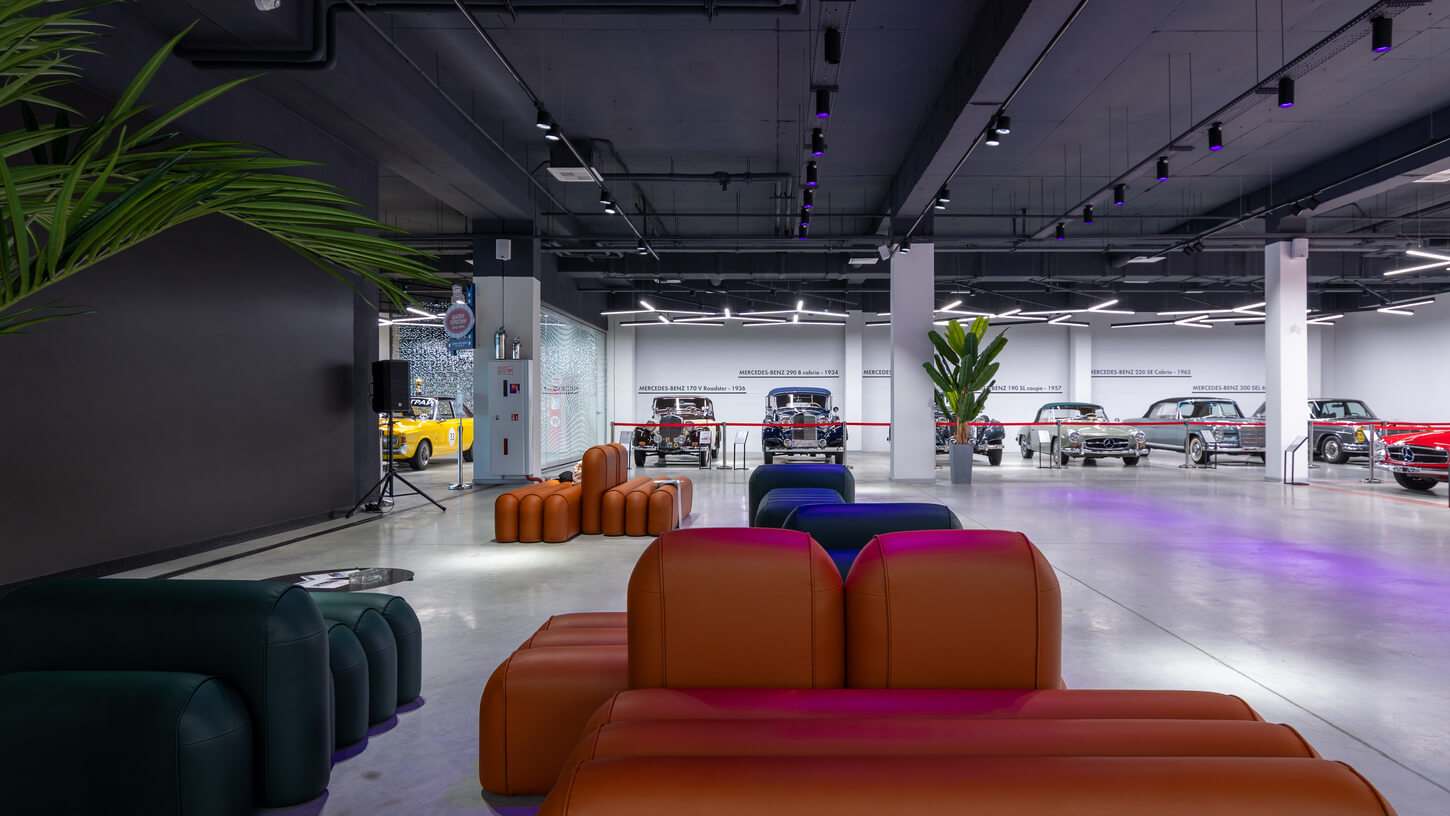
Lighting a museum exhibition is an engineering and an architectural task at the same time. Too little light robs objects of expression, too much distorts perception and can even damage the collection. A well-designed system controls accents precisely while keeping visitors comfortable and the exhibits safe.
That is why professional museum lighting never starts with choosing luminaires. It starts with understanding the concept of the exhibition. Light becomes the link between the architecture of the hall, the logic of the route and the character of the objects on display.
Museum lighting: a harder task than it seems
Exhibition lighting has to solve several tasks at once: give comfortable visibility, protect the exhibits and create the atmosphere. Unlike retail spaces, you cannot simply turn the brightness up. For many materials excessive light is dangerous.
Paintings, textiles, paper and historical documents are sensitive to light. That is why LED lighting has become the standard for museums: it emits practically no ultraviolet or infrared heat and is therefore safe for collections.
Design takes into account parameters such as:
- the illuminance level for each type of exhibit;
- colour rendering accuracy (CRI 90 and above);
- control of the heat load;
- no glare or stray reflections;
- dimming and changeable lighting scenes.
Museum light as a tool for directing attention
Well-executed museum lighting works like a director. It guides the eye, creates pauses and places accents. In a darkened hall a brightly lit painting is perceived quite differently from one under even light across the whole space.
Museum lighting is most often built in layers:
- soft general background light;
- accent lighting of the exhibits;
- local lighting of showcases and niches;
- dynamic or scene-based lighting.
This approach keeps the depth of the space and avoids a sense of overexposure. Visitors feel comfortable, and every object gets its own role in the light.
Lighting exhibits: precision down to the degree
Lighting exhibits needs particular care. It is not enough to aim the light; the angle of incidence, the intensity and the width of the beam have to be calculated. Wrong focusing can create reflections on showcase glass or distort the texture of a surface.
Different types of objects need different settings:
- narrow beams to emphasise details;
- a medium beam angle for paintings;
- soft, even light for large objects;
- adjustable optics for changing exhibitions.
Modern museum luminaires allow every spotlight to be adjusted precisely. This is especially important for temporary exhibitions, when the layout of the hall changes regularly.
Track luminaires for museums
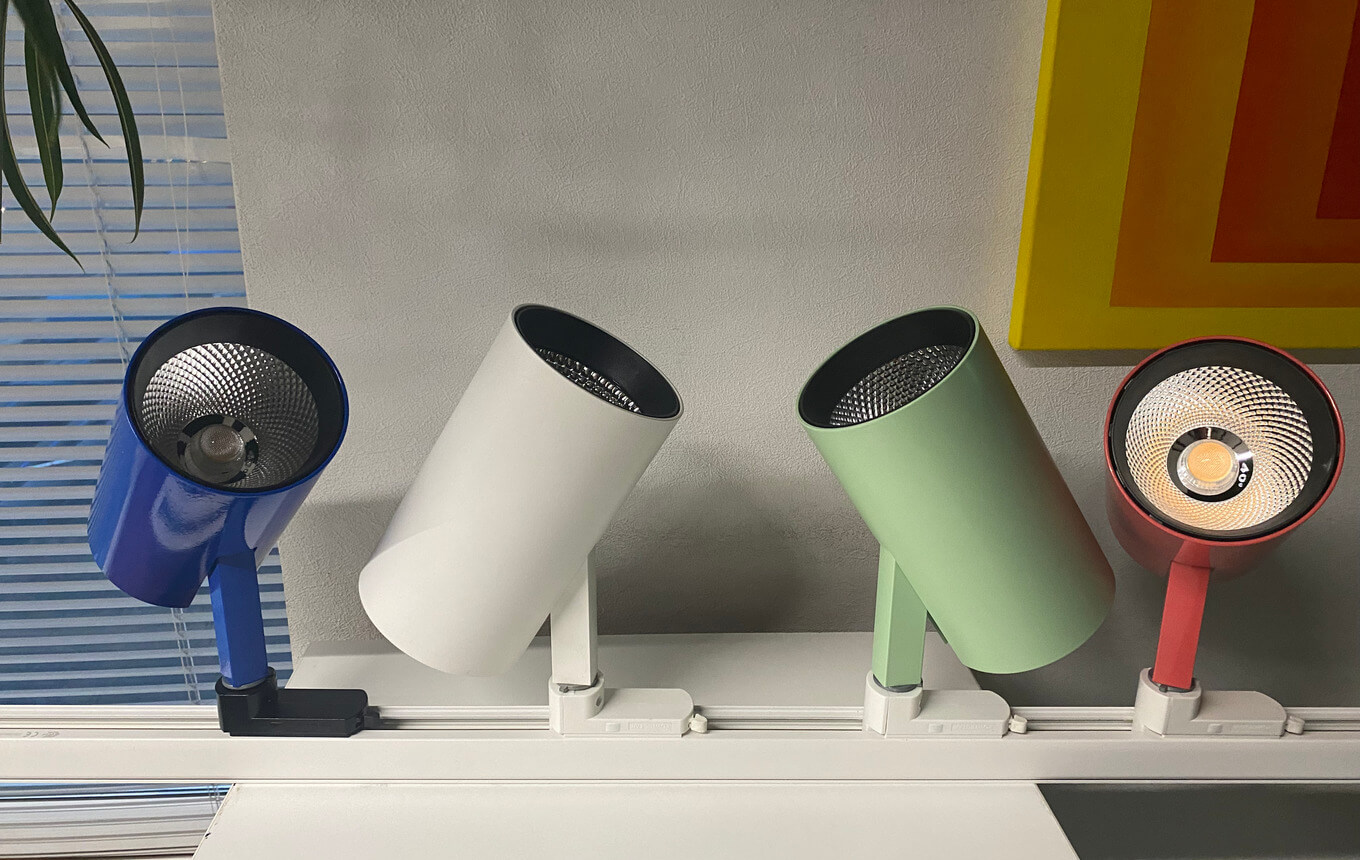
In practice the most versatile solution remains track luminaires. A track system lets you move spotlights, change the direction of light and adjust the luminous flux without rebuilding the ceiling.
Track luminaires are especially effective in spaces with changing exhibitions. They let the lighting be adapted quickly to a new concept while keeping the architecture of the hall tidy.
Besides flexibility, modern track spotlights offer a high colour rendering index and a stable luminous flux, which makes them the best choice for cultural venues.
Museum lighting design
Professional museum lighting starts with detailed design. At this stage the architecture of the space, ceiling heights, visitor routes, types of exhibits and their sensitivity to light are analysed.
Lighting simulation shows in advance how the exhibition will look under different scenes. This helps avoid mistakes and choose the right museum luminaires before installation begins.
Vision Lighting designs lighting for commercial and cultural venues in Ukraine, including museums, selecting track luminaires and specialised solutions for accent lighting.
Completed project: VikCars vintage car museum
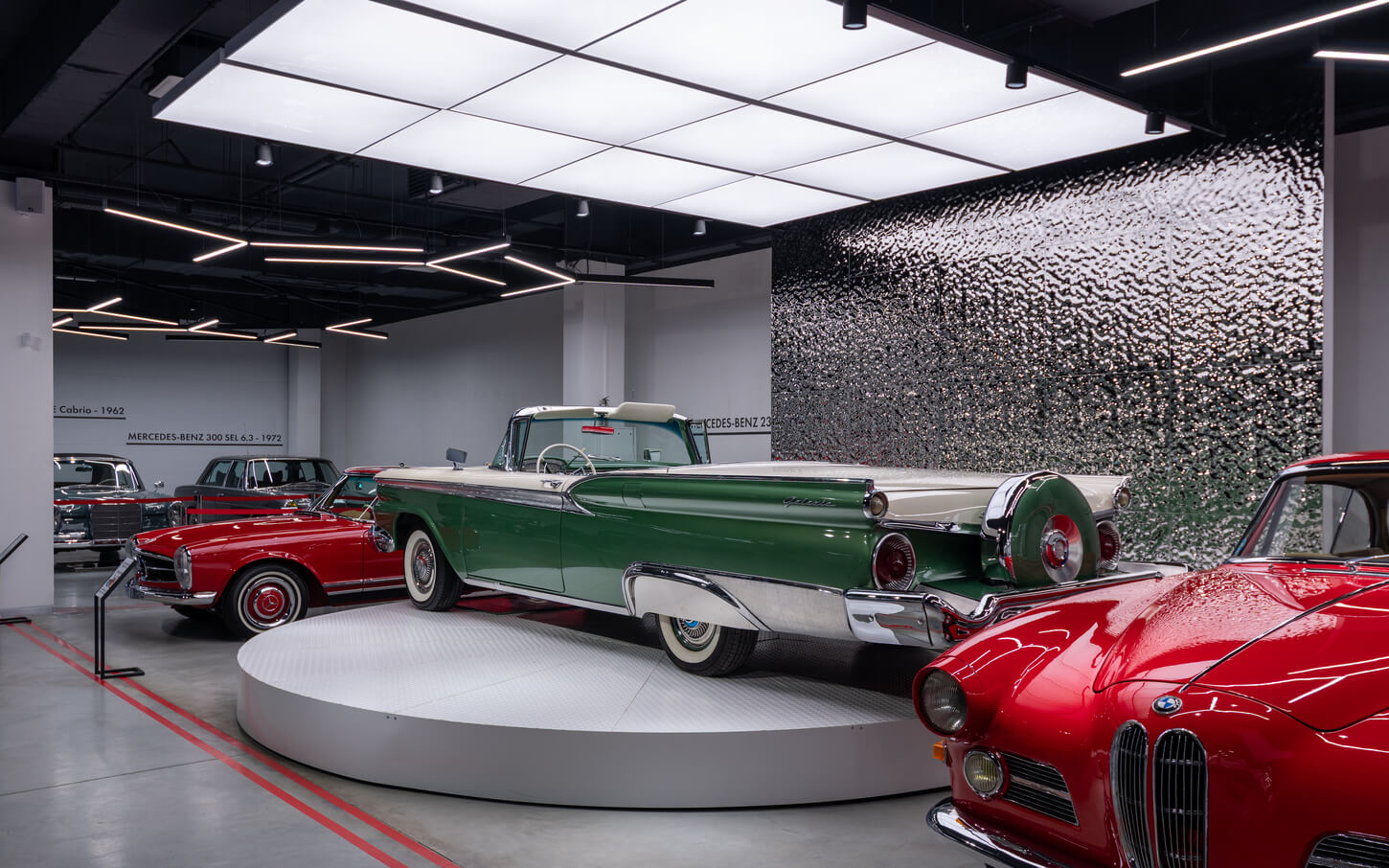
A telling example of a comprehensive approach is the lighting of the VikCars vintage car museum. The space needed to bring out the volume and the body lines of each car without creating hard reflections on the lacquered surfaces.
The project uses track luminaires with precise control of direction and intensity. Accent lighting picked out the chrome parts, the curves of the bodies and the texture of the paint, giving the collection an almost theatrical presentation.
The combination of background and directed light created a comfortable atmosphere and brought out the value of each object without excessive brightness.
Why good museum lighting is an investment
Museum lighting directly affects how an exhibition is perceived. The wrong light can flatten a space and take away its depth. A well-designed system, on the contrary, strengthens the impression, raises the visual value of the exhibits and makes the visit more comfortable.
Modern LED museum lighting, precisely adjusted track spotlights and a considered lighting composition create a space in which every object is shown at its most expressive.
Museum lighting is therefore not just a technical solution but part of the overall concept, combining aesthetics, technology and care for cultural heritage.