Track Lights
 Linear Lights
 Track System
 Decorative Lights
 Recessed Light
 Pendant lights
 Surface mounted lights
 Panel lights
 Street Lighting
 Magnetic Lighting System 48V
 Magnetic Lighting System 48V
 Invertors
 Lighting control


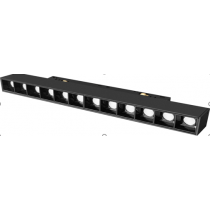
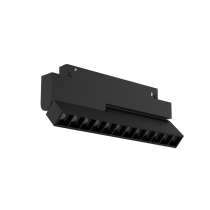
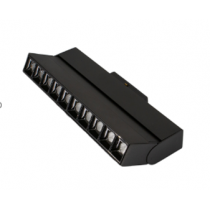
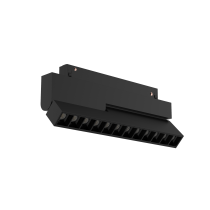
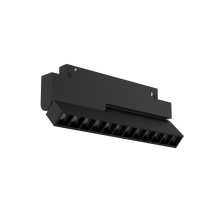
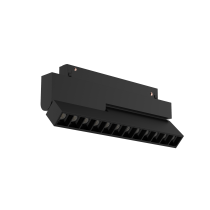


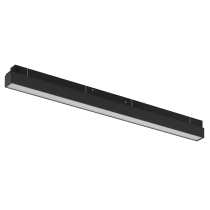

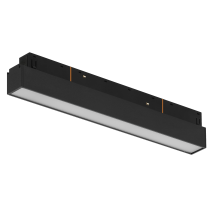

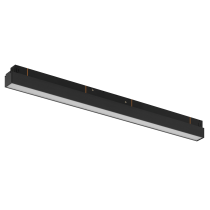
One of the main advantages of LEDs over traditional incandescent lamps is the ability to build modular systems. You get individual LED modules that can be combined, connected and oriented exactly as you need. And while this is not always as elegant as, say, ready-made LED light panels, it is just as functional. So let us explain what else makes LED modules a good choice and what you need to know about them.
What to consider when choosing LED modules
- Operating voltage. This is crucial, because an LED module may run on different voltages: 12, 48 or 220 V. This means you may need to install power supplies that convert the voltage to the level you require.
- LED type. The LEDs themselves also differ: SMD 2835, 5050, 5730, COB and so on. Which are best? That depends on the operating conditions. Fortunately, the specialists at VisionLighting® know which LED modules work best in each situation.
- Colour temperature and colour. Besides classic white light, for example 3000 K, there are also RGB LED modules for luminaires that produce different colours. This option is very often used in interior design and for creating accents.
- Colour rendering index. This is governed by various standards. In short, look for options with a CRI (Ra) of 80 or higher, so that colours are not distorted regardless of the luminaire wattage.
- Power. Important, but not the main factor, since you can combine LED modules to achieve the required power and light intensity.
- Ingress protection. If an LED module is to be used for outdoor lighting (which is also possible), it must have a protection rating of at least IP54.
What you should know about LED modules
- A 48 V LED module is better than a 12 V one, especially if you plan to build large-scale installations. And it is not only about higher power: these modules have much lower energy losses and run much cooler. The only drawback is that you will need to buy a power supply to convert the voltage.
- LED modules for luminaires come in many forms, from literally a couple of LEDs soldered onto a plastic base with wires leading out, to units housed in protective enclosures that resemble complete luminaires.
- Mounting options depend on the form. Simple LED modules can be fixed with adhesive or double-sided tape, while more complex ones, such as those with protective housings, are best mounted with screws or on guide rails.
The LED modules available on the Ukrainian market vary widely, from budget products whose quality not even the manufacturer guarantees, to well-engineered, reliable units such as those from VisionLighting®. Naturally, the latter is the option to consider if you decide to buy LED modules for your lighting, simply because it is better not to cut corners on light, or more precisely, on the reliability of your luminaires. So do not waste your time: contact VisionLighting®, where you can not only buy an LED module but also order a bespoke lighting design with ongoing after-sales service. We look forward to hearing from you!