Track Lights
 Linear Lights
 Track System
 Decorative Lights
 Recessed Light
 Pendant lights
 Surface mounted lights
 Panel lights
 Street Lighting
 Magnetic Lighting System 48V
 Magnetic Lighting System 48V
 Invertors
 Lighting control
How is cable laid?
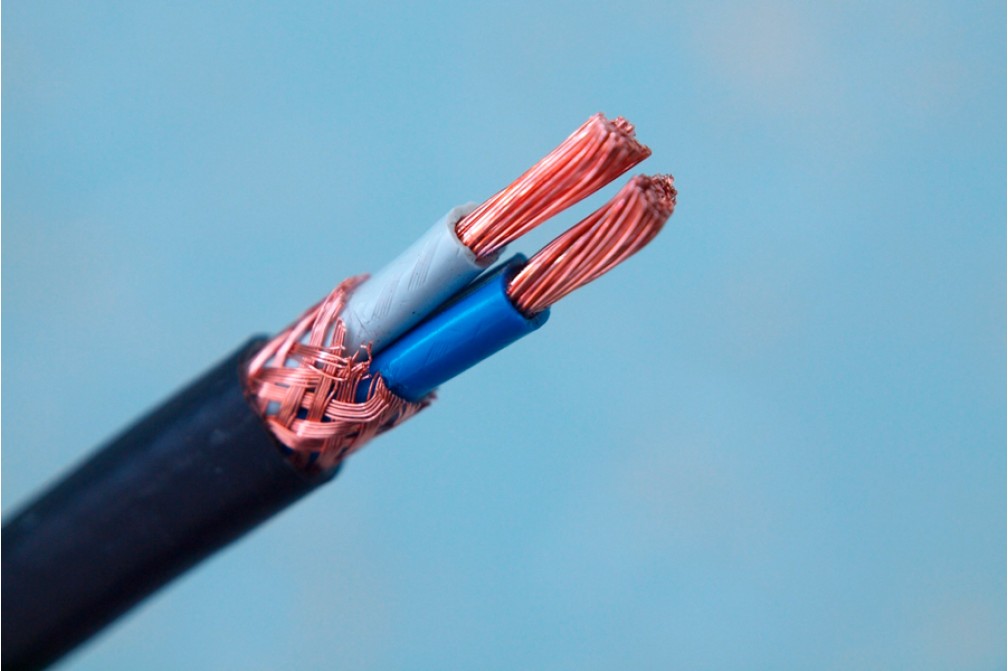
Installing power cable is work carried out in line with safety standards. The cost of laying cable in flexible conduit, trunking or steel pipe is calculated individually: a cost estimate is prepared for this, and the documentation states the price of the services.
Cable laying
Cable is laid using steel pipes, flexible conduit and trunking. The choice of materials depends on several factors: the operating conditions of the room, where the wires run and the client's preferences. In damp rooms (saunas, basements), for example, steel pipes are used. They protect the wires from mechanical damage and from moisture. Pipes are laid in two ways: either in chases or in the floor, or fixed to the wall with clamps or brackets. To stop condensation building up inside, the pipes are installed with a slight slope.
If you are interested in cable laying, the price will not seem high. Services are paid for before the work starts. If cable replacement is needed, this is taken into account. We buy consumables at favourable prices, so laying electrical cable is inexpensive.
Cable installation
Installing cable in flexible conduit, at an affordable price, is a popular service. It means using corrugated plastic or metal conduit. Self-extinguishing conduit gives the wires extra protection against damage and works as an insulator. It minimises the risk of fire in the event of a short circuit.
Cable in corrugated conduit can be run surface-mounted or concealed. PVC conduit is suitable only for indoor work, as it is made from a material sensitive to sunlight and sharp temperature changes. Pulling wires through corrugated conduit takes two people. First a piece of draw wire is pulled out of the conduit and threaded through a hole made in the cable sheath. Then the conduit is straightened: one person holds it while the other pulls the wire through. Finally the cable is fixed to the conduit with insulating tape.
During installation work the conduit is fixed to the surface with clips. This is the best option for running cable in a plasterboard partition or a suspended structure.
Trunking is another way to run wires. It means using a mounting duct made of plastic, steel or aluminium. Running power cable inside trunking keeps the wiring tidy and also improves fire safety.
Trunking is most often white, but ducts imitating natural wood are also available. Installing wire in trunking is simple and takes a few steps:
- the cover is removed from the duct;
- the duct is fixed to the surface with wall plugs;
- the wire is laid in the duct;
- the cover is put back on.
Laying cable in a chase is the most common method. It means laying wires in a groove cut in concrete or brick with an angle grinder or a rotary hammer. When the work is finished, the grooves are filled with plaster.
The cost of cable laying depends on the scope and complexity of the work. Call us and order a design. We will install the cable at a reasonable price.