Track Lights
 Linear Lights
 Track System
 Decorative Lights
 Recessed Light
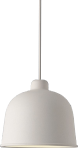
 Pendant lights
 Surface mounted lights
 Panel lights
 Street Lighting
 Magnetic Lighting System 48V
 Magnetic Lighting System 48V
 Invertors
 Lighting control
Showroom lighting

Showroom and exhibition salon lighting uses two types of luminaires: fixed and mobile. Fixed light sources include:
- recessed luminaires,
- spots,
- downlights,
- gimbal systems,
- pendant luminaires,
- surface-mounted luminaires.
Mobile light sources are track systems: spotlights and luminaires fitted with track adapters. Some pendant and surface-mounted models can be fitted with adapters for single-circuit and three-circuit track, which makes them mobile light sources too.
Fixed luminaires suit showrooms and exhibition salons where the display rarely changes. They are recessed into suspended Armstrong and grilyato ceilings and plasterboard structures.
Fixed luminaires suit cabinet furniture and kitchen showrooms, bathroom and plumbing shops, car and motorbike showrooms and art galleries.
Fixed luminaires are used when:
- exhibits rarely change;
- the stands require especially careful design and are literally built from construction materials;
- when exhibits are replaced, the layout of the display itself stays the same;
- the luminaires provide the general lighting of the room.
If the showroom changes often, the display is rearranged and the shape and type of exhibits change regularly, the best solution is a track lighting system.
Track luminaires can work as general or accent light depending on their position, aiming and beam angle. Spotlights are the most convenient way to light exhibition halls, salons and showrooms.
Track lighting systems work best for:
- frequent changes of the display;
- furniture showrooms with regularly changing exhibits;
- decor salons;
- tableware and kitchenware showrooms;
- boutique showrooms with seasonal changes of concept;
- an exhibition salon without a finished interior design.

Furniture showroom lighting
When lighting a furniture showroom, pay attention to the colour rendering of the light sources. The same sofa looks different under different artificial light. To avoid colour mismatch for customers, use luminaires with normal (80 Ra) and high (95 Ra) colour rendering. Otherwise the furniture shop will regularly face returns because "your sofa turned out green, and we chose lime".

Decor showroom lighting
Colour rendering matters just as much in a home decor showroom, especially if it offers premium products with particular colours and textures. Decorative items should be lit from at least two sides, with different lighting scenes, because you cannot predict the conditions in which customers will use them. For example, wallpaper and other finishing materials can be used on vertical surfaces (walls) and horizontal ones (ceilings), so the way they look can change with the lighting.

Bathroom showroom lighting
Bathroom and sanitary ware showrooms are best lit with cool white light from 4000 K to 5500 K. Otherwise the lighting layout of a bathroom showroom is similar to that of a home decor salon.

Car showroom lighting
Car, motorbike and watercraft showrooms are very demanding about light levels. Such expensive purchases are not made on impulse: the customer prepares for a long time and chooses the model. In the showroom the customer wants to see the future purchase clearly and from every side: every detail and line of the body, the paintwork, the colours and the chrome trim. A visitor wants to see a beautiful, shining car, motorbike or jet ski. That is why a car showroom needs both general and accent lighting. Every exhibit should be lit from all sides with track spotlights, which adds visual volume and a touch of drama.

Beauty salon lighting
Lighting for beauty salons, hairdressers, barbershops and spas has to take two things into account:
- salon staff (hairdressers, barbers, massage therapists) find it hard to work under accent light;
- long hours under artificial light increase fatigue, so luminaire flicker should not exceed 5%.
All luminaires in beauty salons and barbershops should have a low flicker factor. This reduces fatigue for the staff and makes visitors feel more comfortable.
The illuminance of the work area should be 500 to 600 lx. At this level it is easy to work and the eyes are not tired by overly bright light. Neutral white light with high colour rendering is preferable. The stylist's workplace should be fully flooded with light, with shadows avoided where possible. Powerful indirect light sources work well, but recessed spots and downlights can also be used; the key is to position them correctly on the ceiling.
Recessed luminaires suit general lighting in salons and treatment rooms. Accent spotlights suit interior items and decor and help create a lighting atmosphere. Track spotlights create a loft atmosphere that underlines the style of men's hairdressers and barbershops.